


Before We Could Fix Everything
There used to be a hard ceiling on how much you could cheat.
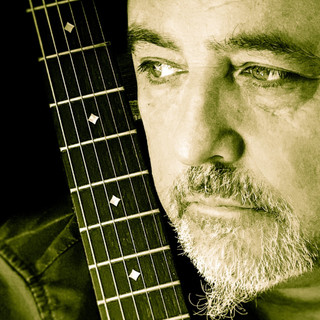
I was lucky enough to be recording music in the early '80's. This is me and my "Brother from Another Mother" Keith. We had a band Called the Ash Can School.

If you were cutting to tape, with a fixed number of tracks and a genuinely finite amount of physical tape, you couldn't just keep going until something acceptable happened. Every take cost something real. Every fix had to be committed to, because undoing it meant losing what was there before. So musicians turned up prepared in a completely different way to how a lot of us turn up now. You rehearsed until the part was actually in your hands, not until it was roughly there and fixable later, because later wasn't really an option.
That constraint produced a specific kind of performance. Committed. A bit dangerous, because everyone in the room knew a mistake had real consequences, not just an extra half hour of editing.
You can hear it, once you know to listen for it, in the difference between a performance that was captured and one that was assembled. Captured performances have a slight unevenness to them, a human wobble, because they're the sound of people getting through something difficult in real time, together, with no net.
I'm not writing this as some grumpy argument that modern recording is worse, because plenty of extraordinary music has been made entirely inside a computer by people who never once worried about running out of tape. That would be a stupid claim. But I do think something changed in the psychology of performing once the safety net appeared, and it's worth exploring what that trade actually cost, rather than pretending it was free.
When Tom Francis and I started to consult to Scan Pro Audio, Tom was the first Dance Music producer I had seen, and he was perfectly capable of leaving 34 instances of Massive open because he wanted the flexibility to choose at mixdown.
I have always worked the other way. Even with a phenomenal 3XS audio computer and the latest version of Cubase allowing me almost infinite tracks. I still commit. I still pick between four or five takes and then dismiss the rest. It brings its own reward. And takes the song in a particular direction. As each part you build is built on a decision made earlier. No going back.
Modern DAW's certainly allow you to try things you'd never have risked before but they also mean you can turn up half ready and let the editing find the performance for you.
Just saying, not judging….


Comments